Today’s
Introduction
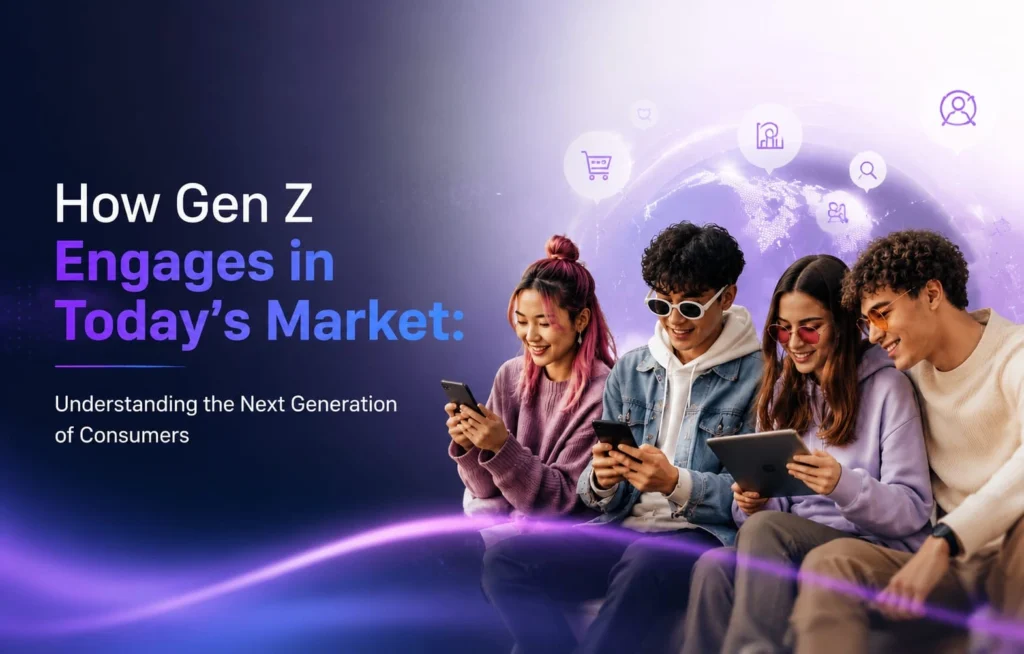
Generation Z, commonly known as Gen Z, includes individuals born between the mid-1990s and early 2010s. As digital natives, they have grown up with smartphones, social media, and instant access to information. Their buying habits, communication styles, and expectations differ significantly from previous generations, making them one of the most influential consumer groups in today’s market. Businesses that understand how Gen Z engages with brands can build stronger relationships, increase customer loyalty, and drive long-term growth.
A Digital-First Generation
Gen Z spends a significant portion of their day online, making digital platforms the primary channel for discovering products and services. Instead of relying on traditional advertisements, they explore brands through social media, search engines, video content, and online reviews. Platforms like Instagram, TikTok, YouTube, and Snapchat influence their purchasing decisions by showcasing trends, product demonstrations, and authentic user experiences.
This generation values convenience and expects brands to provide seamless digital experiences across websites, mobile apps, and social media channels.
Authenticity Builds Trust
Unlike previous generations, Gen Z is highly selective about the brands they support. They value authenticity over polished advertising and prefer businesses that communicate honestly and transparently. Consumers in this generation appreciate brands that share real stories, showcase behind-the-scenes content, and engage directly with their audience.
They are also more likely to trust recommendations from content creators, influencers, and everyday customers than traditional celebrity endorsements. User-generated content, customer testimonials, and genuine reviews often have a greater impact than expensive advertising campaigns.
Social Media Shapes Buying Decisions
Social media is more than just entertainment for Gen Z—it is a powerful shopping and discovery platform. Short-form videos, live streams, interactive polls, and product reviews help them evaluate products before making a purchase. Viral trends and influencer collaborations can significantly increase a product’s popularity within a short period.
Brands that actively engage with followers by responding to comments, creating interactive content, and participating in online conversations are more likely to build lasting relationships with Gen Z consumers.
Purpose Matters More Than Price
While affordability remains important, Gen Z often considers a brand’s values before making a purchase. They support businesses that demonstrate social responsibility, environmental sustainability, diversity, and ethical business practices. Companies that actively contribute to positive social change and communicate their values clearly are more likely to earn the trust of this generation.
Gen Z expects brands to take meaningful action rather than simply making marketing claims. Authentic commitment to social and environmental issues plays a significant role in influencing their purchasing decisions.
Personalized and Interactive Experiences
Gen Z expects personalized experiences throughout their customer journey. They appreciate tailored product recommendations, customized offers, and relevant content based on their interests and browsing behavior. Interactive experiences such as quizzes, augmented reality filters, gamified shopping, and AI-powered customer support also enhance engagement and create memorable brand interactions.
Businesses that combine technology with personalization can deliver experiences that keep Gen Z interested and encourage repeat purchases.
Conclusion
Gen Z is reshaping today’s market with its digital-first mindset, demand for authenticity, and preference for meaningful brand experiences. They expect businesses to communicate transparently, embrace innovation, and align with values that matter to them. Companies that invest in engaging digital content, personalized experiences, and genuine customer relationships will be better positioned to connect with this influential generation. As Gen Z’s purchasing power continues to grow, understanding their behavior is no longer optional—it is essential for success in the modern marketplace.